
Maximizing Property Value with a Home Addition
How to Add Square Footage That Pays Off in Los Angeles

How to Add Square Footage That Pays Off in Los Angeles

Stress-Free Strategies for LA Home Additions That Actually Work

Everything You Need to Know Before You Break Ground

What’s Shaping the Future of Backyard Homes in Los Angeles

Everything You Need to Know A Complete Guide to Turning Your Garage Into a Legal, Livable Space in Los Angeles
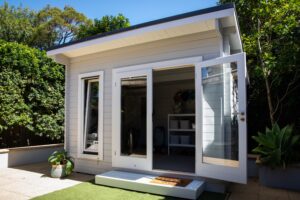
Introduction: ADUs Are Reshaping LA Living Accessory Dwelling Units (ADUs) have become one of the most talked-about housing trends in Los Angeles—and for good reason. With soaring home prices, limited space, and a growing need for flexible living arrangements, ADUs offer a smart, legal, and potentially lucrative solution for homeowners across the city. Whether you’re in Highland Park, Venice, or Reseda, an ADU can help you create more space, generate rental income, or provide a home for extended family—without having to move or buy another property. But is building one right for you? This guide explores everything you need to know about ADUs in LA, from definitions and design to zoning laws and ROI. What Exactly is an ADU? An ADU is a self-contained residential unit located on the same lot as a primary home. It includes a kitchen, bathroom, sleeping area, and its own entrance. Types of ADUs: ADUs go by many names: granny flats, in-law suites, backyard homes. But in LA—they all follow specific guidelines under California and city law. Why Are ADUs So Popular in Los Angeles? Los Angeles has embraced ADUs as a housing solution due to: They allow homeowners to increase usable square footage without changing neighborhoods—or paying for a second mortgage. Benefits of Building an ADU Zoning and Legal Considerations in LA California state law allows ADUs by-right in most single-family and multifamily zones. However, local rules still apply. Key LA regulations: Working with an experienced LA-based designer or contractor is essential to navigate the process. Cost to Build an ADU in Los Angeles ADU Type Estimated Cost Garage Conversion $90,000 – $135,000 Detached New Build $150,000 – $300,000+ Attached ADU $120,000 – $250,000 JADU (Interior) $40,000 – $85,000 Factors that influence cost: How Long Does It Take to Build an ADU? The average ADU timeline in LA is 6 to 12 months, depending on size and permit approvals. Timeline breakdown: Hiring a design-build firm can help streamline the process. Will an ADU Work on Your Property? A quick checklist: If you answered yes to 2+ of these, an ADU is worth exploring further. Financing Your ADU Project Options available to LA homeowners: Always factor in monthly payments and timeline. FAQs: What LA Homeowners Ask About ADUs Can I build more than one ADU?Yes—state law allows one ADU + one JADU on single-family lots. Do I have to live on the property?As of 2025, LA no longer requires owner-occupancy for ADUs. Can I Airbnb my ADU?Short-term rental laws apply. Generally, you can’t Airbnb an ADU unless it’s your primary residence. Will an ADU increase my property taxes?Yes—but only on the added value of the ADU, not the main home. Do I need to notify neighbors?Not usually. Most ADUs are allowed by-right without neighbor approval. Conclusion: Is an ADU Right for You? If you’re looking for more space, flexibility, or income without buying another home, the answer might be yes. ADUs offer a future-proof investment that aligns with LA’s evolving housing landscape. Still not sure? We offer free feasibility assessments for properties across Los Angeles. Contact us today to schedule your ADU site consultation.

Introduction: Renovating Your Kitchen? Don’t Learn the Hard Way Renovating a kitchen in Los Angeles can be thrilling—but it also comes with high stakes. Between city permits, tight floorplans, and high-end design expectations, even experienced homeowners can make costly mistakes. A dream kitchen can turn into a money pit if you overlook key details during planning or construction. This guide highlights the most common kitchen renovation mistakes in LA homes—and how to avoid them. Whether you’re updating a Mid-City Spanish-style home or modernizing a condo in Marina del Rey, these insights will help you save money, time, and stress. Skipping the Planning Phase Many homeowners jump into renovations without detailed planning. That’s mistake #1. What you should do instead: A rushed plan leads to design regret—and expensive mid-project changes. Ignoring the Work Triangle The “work triangle” refers to the optimal distance and placement between the sink, stove, and refrigerator. When ignored, your kitchen can become inefficient and frustrating to use. Tips: Good design balances beauty with functionality. Not Setting a Clear Budget Kitchen remodels in Los Angeles often cost $35,000–$75,000+. If you don’t define a ceiling—and stick to it—you’ll overspend quickly. Category % of Budget Cabinets 30–40% Appliances 15–20% Labor 20–25% Countertops 10–15% Lighting & Fixtures 5–10% Contingency 10–15% Include a 10–15% buffer for surprises like code upgrades or water damage. Choosing Looks Over Function That glossy white counter might look amazing on Instagram—but is it scratch-proof? Heat-resistant? Avoid these aesthetic-first mistakes: Form should follow function—especially in busy kitchens. Skimping on Storage Many LA homes have small kitchens. Maximize space with: Don’t just think about how your kitchen looks—think about how it works. Forgetting About Lighting Layers Lighting is one of the most overlooked elements. You need layers: Insufficient lighting makes your investment look dull. Install dimmers for mood control. DIYing What You Shouldn’t Some tasks—like painting or swapping hardware—are DIY-friendly. But electrical, plumbing, and structural changes require licensed professionals. Why? Cutting corners could void your home insurance—or worse. Neglecting Permits and Inspections In LA, even “minor” kitchen changes often require permits. Examples: Avoid delays or fines by confirming permit needs up front. Your contractor should help guide this process. Underestimating the Timeline Even small kitchen remodels in LA can take 6–10 weeks. Custom cabinetry, inspections, and supply chain delays all affect the schedule. Create a detailed calendar with your contractor and allow extra time for: Patience prevents panic. Not Thinking Long-Term Trendy today can be tacky tomorrow. Instead: Timeless kitchens sell faster and age better. Skipping the Contingency Plan Things WILL go wrong. Pipes burst. Tiles arrive cracked. Electrical boxes aren’t where the blueprints said. Build in: Contingency isn’t pessimistic—it’s professional. FAQs: How to Avoid Kitchen Renovation Pitfalls in LA Do I need a permit to change countertops?If it involves plumbing or electrical work—yes. Simple surface swaps often don’t. What’s the #1 regret homeowners report?Not adding enough outlets or lighting. Always add more than you think you need. Can I live at home during the renovation?Yes, but it may be inconvenient. Seal off the area and plan for noise, dust, and downtime. Should I order appliances before or after demolition?Before. Appliance dimensions affect cabinetry and layout. Conclusion: Plan Well, Renovate Once Kitchen remodeling in LA is an investment—but with the right foresight, it won’t turn into a money pit. Avoid these common mistakes by planning smart, working with trusted professionals, and making decisions that balance beauty and practicality. Don’t just renovate—elevate. Want expert help? Contact us for a free consultation before you pick up the sledgehammer.

Introduction: More Than Just Light—Why Kitchen Lighting Matters Kitchen lighting is often overlooked in remodels—but in reality, it’s one of the most powerful tools to transform your space. In a city like Los Angeles, where natural light varies from sun-drenched beach condos to shaded canyon homes, lighting is not just functional—it’s foundational. The right lighting plan enhances beauty, boosts functionality, improves safety, and even influences mood. Whether you’re remodeling a compact West LA kitchen or upgrading your Pasadena estate, this guide will show you how to approach kitchen lighting like a pro. Ambient Lighting: The Foundation of Every Kitchen Ambient lighting provides overall illumination. It’s the soft glow that fills the space and ensures basic visibility. Best ambient lighting types for kitchens: Tips: Ambient lighting is the canvas—everything else layers on top of it. Task Lighting: Precision Where You Need It Most Task lighting supports work zones—think chopping, reading recipes, or washing produce. Key task lighting zones: Pro Tips: Task lighting should feel seamless and disappear when not in use. Accent Lighting: Style, Depth, and Drama Accent lighting adds visual intrigue. It’s not mandatory—but it’s what elevates your kitchen from ordinary to extraordinary. Examples of accent lighting: Design Insight: Natural Light: The Los Angeles Advantage In LA, we’re lucky to have sunshine year-round. Harness it. Ideas to amplify daylight: Natural light reduces your dependency on artificial sources—and boosts your mood. Pendant Lighting: Functional Focal Points Pendant lights are more than illumination—they’re style statements. Perfect over islands, breakfast bars, or eat-in counters. How to choose the right pendant lights: Don’t be afraid to go bold. Pendants are jewelry for your kitchen. Layering Light: How to Combine All 4 Types Professional kitchen designers always think in layers: Layer Purpose Fixture Examples Ambient Overall illumination Recessed, flush-mount ceiling fixtures Task Brightness for work zones Under-cabinet, pendants Accent Visual drama and highlights Uplights, toe-kicks, in-cabinet LEDs Natural Health, wellness, brightness Skylights, windows, glass doors Layered lighting prevents shadows and adds sophistication. Color Temperature & Bulb Selection Getting the right ‘color of light’ is critical for ambiance and function. Best Bulb Types: Stick to one temperature family for visual consistency. Smart Lighting: Control and Convenience Modern LA kitchens are embracing smart technology: Smart lighting enhances convenience and energy efficiency. Lighting for Different Kitchen Styles Lighting must complement design: Let your lighting echo your material and color palette. Common Lighting Mistakes to Avoid These can turn even a beautiful kitchen into an uncomfortable one. Lighting Installation Tips for LA Homeowners Working with LA-specific codes ensures your remodel is safe and up to standard. FAQs: What Los Angeles Homeowners Ask Most What’s the best light color for a kitchen? 3000K is the sweet spot—warm enough for ambiance, bright enough for tasks. Can I mix light fixture styles? Yes—but they should share at least one unifying element (material, finish, shape). Are dimmers worth it? Absolutely. They give you full control of the atmosphere and save energy. How much does a full kitchen lighting upgrade cost in LA? Expect $2,500–$7,500 depending on fixture quality, wiring, and layout. Do I need permits to add lights? If you’re adding new wiring or moving outlets—yes. Always consult your contractor. Conclusion: Let There Be (Beautiful) Light The right kitchen lighting plan transforms your space from basic to breathtaking. By layering light types, choosing color temperatures wisely, and blending style with function, you can create a kitchen that works—and wows. So whether you’re prepping for a gourmet dinner or just grabbing a late-night snack, your lighting should serve and inspire. Ready to light up your kitchen like a pro? Contact us for a free design consultation
Introduction: Designing Luxury in Limited Space Los Angeles homeowners know the challenge of small-space living all too well. Whether you’re in a Santa Monica condo or a bungalow in Echo Park, making the most of a small kitchen is both a design puzzle and a creative opportunity. But a compact footprint doesn’t mean compromising on luxury. With clever planning, space-saving innovations, and elevated materials, a small kitchen can be just as impressive as a sprawling chef’s kitchen. This guide will take you through practical strategies, aesthetic tips, trending layouts, and insider insights from local remodeling experts in LA. Let’s get started. 1. Understand the Constraints of Small LA Kitchens Los Angeles kitchens often reflect a blend of old architecture and modern expectations. Many were built before open-concept layouts became popular. That means homeowners today must retrofit older spaces or adapt smaller condos for contemporary cooking and entertaining. Typical constraints: Understanding these realities is the first step toward a solution-focused remodel. 2. The Psychology of Space: How to Make a Small Kitchen Feel Bigger Design is perception. Small kitchens can feel larger with the right techniques: A space that feels open is just as valuable as one that is physically large. 3. Optimal Layouts for Tight Footprints Choosing the right layout can make or break your remodel. Here are the best configurations for small kitchens: Layout Ideal For Key Benefit Galley Long, narrow spaces Maximizes wall use L-Shape Corner spaces Open flow to adjacent areas One-Wall Studio apartments Simple and compact U-Shape More cabinetry Wraparound functionality These layouts create ergonomic “work triangles,” reducing unnecessary movement during meal prep. 4. Maximize Storage With Custom Solutions Custom cabinetry is a game changer for small kitchens. Consider the following: Every cubic inch counts—and custom solutions pay off long term. 5. Choose Multi-Functional Appliances & Fixtures Your appliances should work harder—without taking up more space. Top choices: Multi-use functionality saves both time and space. 6. The Power of Lighting in Small Kitchens Lighting not only affects mood—it also changes perceived dimensions. Best practices: Maximize natural light with mirrors, glass, or window enlargement where possible. 7. Materials That Add Depth Without Weight Avoid heavy finishes. Opt for clean, natural textures. Ideal materials: They enhance light bounce and create the illusion of more room. 8. Smart Tech for Compact Kitchens Technology streamlines space usage. Consider: These innovations are especially popular in LA’s tech-forward neighborhoods like Silver Lake or Culver City. 9. Budgeting: How Much Does It Cost to Remodel a Small Kitchen in LA? Despite the smaller size, small kitchen remodels can cost $20,000–$45,000 depending on finishes. Feature Low-End Mid-Range High-End Cabinets $5,000 $10,000 $18,000 Countertops $1,500 $3,000 $5,000 Appliances $3,000 $6,000 $12,000 Labor $6,000 $10,000 $15,000+ Lighting & Electrical $1,000 $2,500 $5,000 10. Before & After: Case Study from West LA Project: 90 sq ft kitchen in a 1950s bungalowClient Goal: Modern, functional kitchen with more storageChallenges: No natural light, outdated appliancesSolutions: Result: The client gained 35% more storage without expanding the footprint. 11. Design Trends for Small Kitchens in 2025 LA is a design trend leader. What’s hot this year? These elements marry clean aesthetics with urban efficiency. 12. Mistakes to Avoid When Remodeling a Small Kitchen Don’t: Do: Small mistakes get magnified in small spaces—plan carefully. 13. Sustainable Small Kitchens Eco-conscious design is in demand across LA. Green choices reduce your utility bills and environmental impact. 14. FAQs: What Los Angeles Homeowners Ask Most Can I fit an island in a small kitchen?Yes—consider a narrow rolling island or one with built-in storage and seating. What layout works best for tiny apartments?One-wall or galley layouts are ideal for limited square footage. Do I need a permit to remodel my kitchen in LA?Yes, most kitchen remodels require permits—especially if plumbing, gas, or electrical is involved. How long does a small kitchen remodel take?Typically 4–8 weeks, depending on complexity and permit timing. Is open shelving a good idea?Yes, especially if used sparingly. It opens up the space but requires careful organization. 15. Your Next Step: Let’s Transform Your Small Kitchen Your kitchen might be small—but your dream doesn’t have to be. With the right layout, materials, and creative planning, you can enjoy a space that’s modern, luxurious, and entirely your own. Ready to begin? Contact us today for a free design consultationDownload our Kitchen Remodel ChecklistView our portfolio of compact kitchens in LA Your future kitchen starts now.

Designing a bathroom in Los Angeles is about more than just function—it’s about self-expression, comfort, and staying ahead of the curve. As we move into 2025, homeowners are embracing natural materials, smart features, and calming color palettes. Whether you’re renovating a master suite in Tarzana or a guest bath in Venice, these are the trends redefining bathroom style in LA. 1. Warm Neutrals Over Stark Whites Pure white bathrooms are giving way to earthy, warm-toned neutrals. The shift reflects a broader desire for comfort and calm. Trending Tones: Pair with warm metallics like brushed brass or bronze for a cozy, grounded look. 2. Fluted and Textured Surfaces Flat is out. Textured tile and fluted vanities bring dimension and craftsmanship into bathrooms. Applications: These touches add visual interest without overwhelming the space. 3. Spa-Style Showers and Wet Rooms Inspired by luxury resorts, walk-in wet rooms are taking over master baths in LA homes. Must-Have Features: Wet rooms blur the line between tub and shower, creating an open, spa-like flow. 4. Bold Statement Fixtures Designers are going big on detail with sculptural, artistic fixtures. Look for: Small elements, big personality. 5. Smart Bathroom Tech That Blends In LA homeowners are leading the smart bathroom movement, but subtlety is key. 2025 Tech Essentials: 6. Sustainable, Eco-Friendly Materials With California’s water restrictions and climate consciousness, sustainability is central. Eco Features to Consider: These choices are good for your home—and the planet. 7. Terrazzo Is Back (and Bolder) Once a retro material, terrazzo is now a luxury staple in bathrooms. Uses: Choose chunky chips for a modern vibe or subtle specks for soft elegance. 8. Nature-Inspired Design Biophilic design is blooming—literally. Nature shows up in: The goal: bring the outdoors in. 9. Open Storage & Display Instead of hiding everything behind closed doors, homeowners are choosing intentional display. How It’s Done: Perfect for powder rooms or smaller baths where storage is part of the décor. 10. Curves Over Angles Soft, organic shapes are replacing sharp lines in: Curves invite calm and complement spa-inspired styles. Neighborhood Spotlight: LA’s Trend Adoption Neighborhood Trend Favorites Santa Monica Natural textures, open layouts West Hollywood Statement lighting and sculptural plumbing Venice Sustainable design and terrazzo Sherman Oaks Smart tech with classic style Encino Wet rooms and spa-inspired steam features FAQs: 2025 Bathroom Design Trends Are warm tones replacing cool grays?Yes—warmer, nature-inspired neutrals are now leading palettes. Is smart tech still a luxury or now standard?Becoming standard—especially heated floors, lighting, and digital showers. What tiles are trending?Zellige, terrazzo, oversized marble-look porcelain, and handmade ceramic tiles. Are tubs still essential in high-end homes?Yes—but they’re often freestanding and sculptural, used less for bathing and more for aesthetics. Final Thoughts: Style with Purpose In 2025, Los Angeles bathrooms are about serenity, sustainability, and smart design. By blending natural elements with advanced features, you can create a space that’s both relaxing and future-ready. Whether you want a full transformation or subtle upgrades, these trends will guide you toward a bathroom that feels fresh, personal, and built to last. Let’s bring your vision to life—beautifully.