shimon

Wood, Steel, or Concrete? How to Choose the Right Structural System for Your LA Remodel

Why Structural Systems Matter in Los Angeles LA’s terrain, seismic activity, and architectural diversity make the choice of structural system one of the most important decisions in any remodel or new build. The right material impacts strength, safety, cost, longevity, and design possibilities. Wood Framing: The LA Standard Wood remains the most common building material across Los Angeles residential construction. Why It’s Popular Strengths Weaknesses Best Use Cases Steel Framing: Strength & Modern Architectural Freedom Steel framing is the choice for homeowners seeking open floor plans, large window walls, or ultra-modern designs. Strengths Weaknesses Best Use Cases Concrete: Maximum Stability for Challenging LA Lots Concrete is essential for homes built on slopes, soft soils, or areas requiring structural reinforcement. Why It’s Critical in LA Concrete Systems Used in LA Type Best For Reinforced concrete Foundations, slabs, retaining walls Shotcrete Hillside stabilization ICF (Insulated Concrete Forms) High-efficiency homes Structural concrete walls Soundproofing & durability Strengths Weaknesses Mixed Structural Systems: The LA Hybrid Approach Many modern projects combine wood, steel, and concrete to balance cost, strength, and architectural goals. Common Hybrid Examples Why Hybrid Systems Work Cost Comparison for LA Construction System Cost Best Use Wood $$ Standard homes, additions, ADUs Steel $$$$ Modern designs, long spans Concrete $$$$ Sloped lots, retaining walls Hybrid $$$ Balanced performance Seismic Performance Comparison Material Earthquake Resistance Wood Very good (flexible) Steel Excellent Concrete Excellent with reinforcement Hybrid Optimal Environmental Impact FAQ Which material is safest for earthquakes? Steel + reinforced concrete offer the highest performance, but wood framing is also highly flexible and safe. Which system gives the best value? Wood or hybrid systems—excellent balance of cost and strength. Is steel worth the upgrade? For open layouts or modern homes—absolutely. Do ADUs ever need steel or concrete? Yes for long spans, rooftop decks, or hillside locations. Best Structural Choice by Priority Priority Recommended System Lowest Cost Wood Maximum Strength Steel + Concrete Modern Architecture Steel Best All-Around Hybrid Hillside Lots Concrete + Steel Planning a construction project in Los Angeles? Schedule a free consultation with our structural design experts today: Contact The ABC Pro

Read More »

The Strongest Building Materials for Los Angeles Homes: What Every Homeowner Should Know

Why Material Choice Matters More in Los Angeles Than Anywhere Else Los Angeles homes face unique environmental challenges: seismic activity, seasonal heat, sun exposure, hillside shifting, coastal humidity, and strict building codes. Choosing the right materials affects structural safety, long-term durability, insulation performance, and total cost of ownership. Engineered Wood vs. Traditional Lumber Traditional wood framing is common, but performance varies greatly. Traditional Lumber (2×4 / 2×6) Engineered Wood (LVL, PSL, Glulam) Best Practice in LA: Use engineered wood for structural beams + traditional lumber for non-load-bearing walls. Steel Framing: The Premium Structural Upgrade Steel framing is growing fast in luxury and hillside construction. Advantages Drawbacks Best For: Modern homes, hillside builds, high-fire-risk zones, large-span ADUs. Concrete: The Backbone of LA Construction Concrete is essential for stability, especially on sloped or shifting terrain. Where Concrete Is Most Critical Concrete Types Used in LA Type Best Use Standard concrete Foundations, slabs Reinforced concrete Retaining walls, seismic zones Shotcrete Hillside stabilization High-PSI concrete Heavy-load areas Insulation: Keeping LA Homes Energy Efficient Proper insulation is required to meet California’s Title 24 energy standards. Best Insulation Types Best Overall: Spray foam + mineral wool hybrid systems. Windows & Glass Systems Energy-efficient windows dramatically improve comfort and reduce energy bills. Top Choices Why It Matters in LA Roofing Materials Built for LA Weather Los Angeles roofs must handle heat, UV exposure, Santa Ana winds, and occasional rain. Best Roofing Options Material Benefits Cool roof shingles Reflect heat, reduce AC usage Clay tile Classic California look, long lifespan Metal roofing Fire-resistant, durable TPO roofing Ideal for flat roofs and ADUs Siding & Exterior Cladding Exterior materials need to handle heat, moisture, and sun fade. Top Exterior Materials Most Durable: Fiber cement + modern stucco systems. Seismic Reinforcement Materials LA’s seismic zone requires materials designed for movement. Critical Components These elements keep walls and foundations intact during ground movement. FAQ Which material offers the best seismic protection? Steel + reinforced concrete + engineered wood combinations. What’s the most durable exterior for LA? Fiber cement siding or modern stucco with waterproofing layers. Is spray-foam insulation worth it? Yes — best energy savings and air sealing. Which material is best for ADUs? Wood framing for affordability + engineered beams for spans. Best Materials by Priority Priority Material Essential Engineered wood, reinforced concrete High Low-E windows, quality insulation Luxury Steel framing, triple-pane glass Premium Metal roofing, high-end cladding Planning a construction project in Los Angeles? Schedule a free consultation with our construction & materials experts today: Contact The ABC Pro

Read More »

Modern Low-Maintenance Landscaping for Busy LA Homeowners

Why Low-Maintenance Landscaping Is Perfect for Los Angeles Los Angeles homeowners increasingly want beautiful outdoor spaces that don’t require constant watering, trimming, or long hours of upkeep. With rising water costs, drought conditions, and fast-paced lifestyles, low-maintenance landscaping offers the perfect balance of beauty, sustainability, and convenience. Core Benefits Choosing the Right Plants for Low-Maintenance LA Landscaping Selecting drought-tolerant and native plants is essential for effortless upkeep while maintaining a premium look. Top Plant Choices Plant Type Examples Benefits Succulents Agave, Aloe, Echeveria Water-saving, sculptural, modern Native Grasses Muhly Grass, Deer Grass Adds movement + soft textures Shrubs Lavender, Sage, Rosemary Fragrant, hardy, evergreen Trees Olive, Palo Verde, Citrus Shade, elegance, minimal maintenance Groundcovers Dymondia, Ice Plant Fills space, reduces weeds Why These Plants Work Hardscaping as the Foundation of Modern Low-Maintenance Yards Hardscaping reduces upkeep while adding a clean and luxurious aesthetic. Best Hardscape Elements Hardscaping Benefits Smart Irrigation Systems Even low-water plants need occasional hydration. Smart irrigation systems automate and optimize this process. Recommended Systems Benefits Rock Gardens and Xeriscaping Xeriscaping uses rocks, gravel, and drought-tolerant plants to create stunning, low-care landscapes. Popular LA Xeriscape Styles Why Homeowners Love It Landscape Lighting for Evening Impact Low-voltage LED lighting elevates any low-maintenance yard with minimal energy use. Best Lighting Zones Benefits Mulch, Stones, and Groundcovers These materials keep soil cool and reduce weed growth. Top Options Why They Work Well FAQ Does low-maintenance mean “no maintenance”? No—there will always be seasonal trimming, but significantly less than traditional lawns. Is artificial turf worth it? Yes for busy homeowners or rental properties, but choose high-quality turf for a realistic look. Do drought-tolerant plants look too dry or desert-like? Not if mixed with grasses, shrubs, and accent plants. Can low-maintenance landscaping increase home value? Absolutely—especially in LA, where water efficiency is a major selling point. Best Upgrades by Priority Priority Upgrade Essential Drought-tolerant plants + drip irrigation High Hardscaping + lighting Luxury Modern xeriscape Premium Artificial turf + architectural planters Planning a landscaping or backyard remodel in Los Angeles? Schedule a free consultation with our landscape design experts today: Contact The ABC Pro

Read More »

Pool + Patio + Fire Pit: How to Create the Perfect Outdoor Flow in LA Homes

Why Outdoor Flow Matters in Los Angeles Backyards Los Angeles homes thrive on indoor–outdoor living. The combination of a pool, patio, and fire pit—when designed as one cohesive environment—creates a luxurious, functional space that feels like a private resort. In areas like Sherman Oaks, West Hills, Thousand Oaks, Mar Vista, and Encino, this layout has become a defining feature of high-end backyard remodels. Key Goals of Perfect Outdoor Flow Designing the Pool as the Main Anchor The pool is the central feature of most LA backyards. Its placement determines the entire flow. Best Pool Positions Ideal Pool Shapes for LA Homes Shape Best For Rectangular Modern homes, lap swimming Geometric/L-shape Multi-zone backyards Freeform Organic, natural designs Key Elements for Luxury Appeal Patio Placement for Hosting & Relaxation The patio acts as the social core, linking indoor spaces to the backyard. Best Patio Locations Patio Must-Haves Patio Material Options Material Benefit Porcelain pavers Durable, modern, slip-resistant Stamped concrete Cost-effective with style Travertine Elegant, cool to the touch Composite decking Warm, wood-like feel Fire Pit Design for Evening Ambience A fire pit extends backyard usability into the night and colder seasons—especially in LA’s hillside neighborhoods. Types of Fire Pits Ideal Placement Seating Options Seating Type Benefit Built-in bench seating Resort-style look Deep outdoor sofas Maximum comfort Adirondack chairs Modern, casual vibe Connecting All Three Zones: Pool + Patio + Fire Pit The secret to a professional design is treating the three areas as one unified environment. Flow Principles Perfect Lighting Recipe Bonus Features for a Resort-Level Backyard FAQ Does combining pool, patio, and fire pit increase home value? Yes—backyards with cohesive flow are high-value upgrades in LA. How big should the yard be? Even small yards can integrate all three zones with smart layout planning. Is gas or wood better for fire pits? Gas is preferred for safety, cleanliness, and design flexibility. Do I need permits? Pools and gas fire pits require permits; patios depend on structure type. Best Upgrades by Priority Priority Upgrade Essential Pool + patio seating High Fire pit + outdoor lighting Luxury Outdoor kitchen Premium Infinity-edge pool + integrated spa Planning a backyard remodel in Los Angeles? Schedule a free consultation with our outdoor living design experts today: Contact The ABC Pro

Read More »

Luxury Outdoor Kitchens: Designing the Ultimate California Backyard

Why Outdoor Kitchens Are Exploding in Popularity Across LA Los Angeles homeowners are investing heavily in outdoor living spaces that feel like extensions of the interior. An outdoor kitchen transforms a backyard into a year-round entertainment hub—perfect for the climate in areas like Sherman Oaks, Woodland Hills, Venice, Santa Monica, and West Hills. Key Reasons Outdoor Kitchens Thrive in LA Choosing the Best Layout for a Luxury Outdoor Kitchen 1. Linear Layout Straight-line outdoor kitchens provide a modern, minimalist setup. Best For: Narrow patios, townhomes, compact backyards. Strengths: Space-saving, clean aesthetics, easy workflow. 2. L-Shaped Layout One of the most popular options in LA homes. Best For: Medium-sized patios, poolside kitchens. Strengths: Offers prep space + cooking zone + seating. 3. U-Shaped Layout Ideal for large backyards and high-end projects. Best For: Homes in Thousand Oaks, Westlake Village, Encino. Strengths: Maximum counter space, multiple work zones, premium hosting. 4. Island-Centered Layout A social hub with seating around the cooking area. Best For: Families + entertainers. Strengths: Guests can gather comfortably while the host cooks. Must-Have Appliances for a High-End Outdoor Kitchen Essential Appliances Luxury Add-Ons Upgrade Why It Matters Pizza oven LA’s trending entertainment feature Teppanyaki grill Premium cooking versatility Wine fridge Perfect for hosting Outdoor dishwasher Convenience + cleanliness Smoker or rotisserie For gourmet backyard meals Choosing the Right Materials for Durability Outdoor kitchens in LA must withstand intense sun, moisture, and coastal conditions (for beach cities). Best Countertop Materials Best Cabinet Materials Material Benefits Marine-grade stainless steel Rust-proof, premium look Powder-coated aluminum Light, durable, color options Concrete modules Ultra-strong, architectural HDPE outdoor cabinets Waterproof + fade resistant Lighting Design for Evening Ambience Outdoor lighting transforms the kitchen into a nighttime showpiece. Recommended Lighting Zones Why It Matters Flooring & Surfaces That Elevate the Space Outdoor kitchen flooring must be slip-resistant, weatherproof, and visually appealing. Top Options Best Practices Seating & Dining Integration A luxury outdoor kitchen should include both prep and social areas. Smart Seating Choices Add-On Elements FAQ Do outdoor kitchens increase home value? Yes—especially in LA where outdoor living is highly valued. How long does construction take? 6–12 weeks depending on complexity. What’s the biggest mistake homeowners make? Choosing indoor-rated appliances that fail outdoors. Can an outdoor kitchen be fully covered? Yes—pergolas, awnings, or full roofs are all options depending on design and budget. Best Outdoor Kitchen Upgrades by Priority Priority Upgrade Essential High-quality grill, durable counters High Fridge, sink, lighting Luxury Pizza oven, wine fridge Premium Full bar, built-in seating Planning an outdoor kitchen or backyard remodel in Los Angeles? Schedule a free consultation with our outdoor living experts today: Contact The ABC Pro

Read More »

Hidden Costs in a Full Home Remodel — And How to Avoid Them

Why Hidden Costs Are Common in LA Renovations Full home remodels in Los Angeles often involve older construction, outdated electrical and plumbing systems, seismic requirements, and strict city permits. These factors create hidden costs that many homeowners don’t anticipate—especially in neighborhoods like Venice, Hollywood Hills, Sherman Oaks, Westwood, and Mar Vista. Most Common Causes of Hidden Expenses 1. Structural Surprises Behind Walls Once demolition begins, hidden structural problems often appear—especially in older LA homes. Common Issues Impact on Budget Repairs can add anywhere from $2,500 to $25,000 depending on severity. How to Avoid It 2. Electrical & Plumbing Upgrades Homes built before 1980 often require full system upgrades to meet today’s safety and efficiency standards. Typical Hidden Electrical Costs Typical Hidden Plumbing Costs Cost Range Electrical: $3,000–$15,000 Plumbing: $2,500–$20,000 How to Avoid It 3. Permit & Plan Check Costs Los Angeles permit fees and revisions can impact both timeline and budget. Common Fees Item Cost Range Building Permit $2,000–$10,000+ Plan Check $1,000–$8,000 Revisions $500–$3,000 Title 24 Energy Compliance $250–$600 How to Avoid It 4. Material Price Increases Imported or specialty materials—like custom cabinetry, stone slabs, premium fixtures, or high-end flooring—may experience price jumps. Why It Happens Cost Impact How to Avoid It 5. HVAC, Insulation, and Energy Requirements Modern LA remodels often require HVAC upgrades to meet efficiency standards and improve comfort. Hidden Cost Items Cost Range $4,000–$25,000 How to Avoid It 6. Lead, Asbestos, and Hazardous Materials Homes built before 1980 may have asbestos or lead-based materials that require professional removal. Where It’s Common Cost Range Testing: $350–$800 Abatement: $2,000–$12,000 How to Avoid It 7. Change Orders and Mid-Project Design Changes One of the biggest hidden cost drivers is making design changes during construction. Common Change Order Triggers Impact Each change can add days or weeks plus additional labor and material costs. How to Avoid It FAQ How much contingency should I budget for hidden costs? In LA, 10–20% of the total budget is recommended. Are hidden costs more common in older homes? Yes—especially homes built before 1970. Can good planning eliminate unexpected expenses? It can reduce them significantly but not eliminate them entirely. Do luxury materials increase hidden costs? Not directly, but longer lead times can cause delays and added labor. Most Common Hidden Costs by Priority Cost Type Severity Structural Issues High Electrical/Plumbing High Permit Revisions Medium Material Delays Medium Hazard Abatement High HVAC Upgrades Medium Planning a full home renovation in Los Angeles? Schedule a free consultation with our renovation experts today: Contact The ABC Pro

Read More »

Open-Concept vs. Defined Spaces: What Works Best for LA Homes?

Why This Choice Matters in Los Angeles Remodeling Los Angeles homes vary widely—from mid-century modern layouts to compact bungalows and large family homes. Choosing between an open-concept design and more defined, separated rooms directly impacts lifestyle, resale value, natural light flow, acoustics, and overall functionality. Key Factors That Influence the Decision Open-Concept Layouts: The California Lifestyle Favorite Open-concept designs remove walls between the kitchen, dining, and living areas to create a bright, connected environment. Why LA Homeowners Love It Best Areas to Use Open Layouts Pros Cons Cost Consideration Removing load-bearing walls may require steel or LVL beams, adding $8,000–$40,000 depending on span. Defined Spaces: Function, Privacy, and Comfort Defined spaces separate rooms using walls or partial dividers. LA homeowners who prefer structure, organization, and privacy often choose this option. Benefits of Defined Rooms Best Use Cases Pros Cons Cost Consideration Creating defined rooms is often less expensive than removing walls because it avoids major structural changes. Hybrid Layouts: The Best of Both Worlds Many modern LA remodels use hybrid layouts—partial openness with strategic separations. Common Hybrid Designs Why Hybrid Works in LA Which Layout Is Best for Your Home? Open Concept Is Ideal If… Defined Spaces Are Ideal If… Comparison Table: Open vs. Defined Feature Open Concept Defined Spaces Natural Light Excellent Moderate Privacy Low High Noise Control Poor Strong Modern Appeal Very High Medium Functionality for Families High Very High Cost Higher Lower Flexibility High Medium FAQ Do open-concept homes sell better in LA? Generally yes—buyers love bright, airy spaces, especially in luxury markets. Can I mix both styles? Absolutely. Hybrid layouts are extremely popular. Is open-concept better for small homes? Yes, because it visually expands the space. Do defined rooms ever increase value? Yes—home offices, guest rooms, and media rooms can boost resale appeal. Best Layout Choice by Priority Priority Recommended Layout Maximum Space Feel Open Concept Best for Families Hybrid Quiet Work Areas Defined Spaces Most Modern Look Open Concept Budget-Friendly Defined Spaces Planning a full home renovation in Los Angeles? Schedule a free consultation with our layout & design experts today: Contact The ABC Pro

Read More »

How to Build a Realistic Renovation Timeline for a Whole-Home Remodel

Why Full-Home Renovation Timelines Are So Complex Whole-home renovations in Los Angeles are influenced by architectural style, building age, permitting timelines, structural upgrades, and the level of customization. Homes in areas like Westwood, Sherman Oaks, Venice, and Woodland Hills often require seismic retrofitting, MEP updates, and layout changes—making an accurate timeline essential for planning and budgeting. Key Factors That Affect Timing Typical Full-Home Renovation Timeline in Los Angeles A full renovation generally takes 4–9 months, depending on complexity. Below is a detailed breakdown of each phase. 1. Planning & Design (3–8 Weeks) Why It Matters: Accurate planning prevents delays later—especially with custom cabinetry, stone, or long-lead fixtures. 2. Permits & Approvals (4–12 Weeks) Los Angeles permitting varies by project and neighborhood. Typical Permits Required Neighborhoods with Longer Processing Times Area Reason Venice Coastal zone reviews Hollywood Hills Complex grading & access Santa Monica Stricter local environmental rules Westwood Historical overlay zones Pro Tip: Submit engineering + architectural plans together to reduce review cycles. 3. Demolition & Structural Work (2–5 Weeks) This is where walls come down and structural elements are exposed. Common Tasks Potential Delays 4. Rough-In Stage (3–7 Weeks) Once framing is complete, all mechanical systems are installed. Includes Inspection Requirements LA inspectors evaluate each system before walls are closed. 5. Drywall, Flooring & Interior Finishes (4–10 Weeks) This is where the home begins to look like a finished space. Common Finish Items Design Tip Install flooring after major cabinetry to prevent scratches. 6. Kitchens & Bathrooms (3–6 Weeks) These are the most time-consuming rooms and the biggest contributors to delays. Critical Tasks Common Delay Causes Issue Impact Late cabinet delivery Delays appliances + countertops Stone fabrication backlog 1–3 week delay Custom shower glass lead time Slows bathroom completion 7. Final Finish Work (1–3 Weeks) Final Inspections LA building inspectors ensure safety, compliance, and proper installation. Realistic Full-Home Renovation Timeline Summary Phase Timeline Planning & Design 3–8 weeks Permits 4–12 weeks Demolition 2–5 weeks Rough-In 3–7 weeks Interior Finishes 4–10 weeks Kitchens & Bathrooms 3–6 weeks Final Details 1–3 weeks Total Estimated Time 4–9 months FAQ What causes the biggest delays? Cabinet lead times, stone fabrication, permit reviews, and unexpected structural issues. Can I live in the house during renovation? In partial renovations—yes. In full gut remodels—usually no. Does hiring a design-build firm speed up the process? Yes. Single-team coordination reduces downtime between phases. How can I avoid mid-project delays? Finalize materials early and approve design decisions before construction begins. Best Practices for Staying On Schedule Planning a full home renovation in Los Angeles? Schedule a free consultation with our full-home remodeling experts today: Contact The ABC Pro
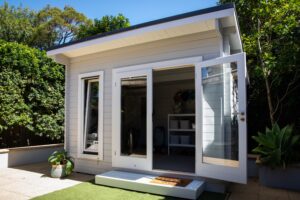
Read More »

Garage Conversion vs. Ground-Up ADU: Which Adds More Value?

Understanding the Two Most Popular ADU Options in LA Los Angeles homeowners looking to expand living space or generate rental income usually choose between two main ADU approaches: Each offers different advantages in terms of cost, design flexibility, speed, and long-term property value. Key Factors That Influence Value Why This Decision Matters Choosing the right ADU type can dramatically impact ROI—especially in high-demand areas like Mar Vista, North Hollywood, West Adams, and Sherman Oaks. Garage Conversions: Fastest and Most Cost-Effective Option Overview Garage conversions are built by transforming an existing detached or attached garage into a livable ADU. This option offers quick project timelines and lower construction costs. Advantages Best Use Cases Typical Cost Range $120,000–$180,000 depending on finishes and garage condition. Common Challenges Issue Explanation Low ceilings May require foundation adjustments Old garage framing Strengthening / seismic upgrades Limited natural light Requires window and door redesign Insufficient insulation Needs full rebuild of walls/roof Ground-Up ADUs: Maximum Flexibility and Highest ROI Potential A ground-up ADU (new construction) allows complete freedom in design, layout, and size. Advantages Best Use Cases Typical Cost Range $250,000–$450,000 depending on size and finishes. Common Challenges Issue Explanation Higher upfront cost More materials + new foundation Longer timeline 6–12 months depending on scope More permit requirements Full set of construction plans Utility connections Requires excavation + trenching Rental Income Potential Comparison Average Monthly Rent for ADUs in LA ADU Type Studio 1 Bedroom 2 Bedroom Garage Conversion $1,700–$2,200 $2,300–$2,900 N/A Ground-Up ADU $1,900–$2,500 $2,800–$3,500 $3,800–$4,800 ROI Insight A ground-up ADU has a higher upfront cost but delivers the strongest long-term rental potential—especially with two-bedroom layouts. Construction Timeline Comparison ADU Type Timeline Garage Conversion 3–4 months Ground-Up ADU 6–12 months Which Adds More Resale Value? Both options significantly increase property value, but ground-up ADUs typically add more value due to size flexibility, better layouts, and premium finishes. Value Increase Estimate ADU Type Average Added Property Value Garage Conversion $150,000–$250,000 Ground-Up ADU $250,000–$500,000+ FAQ Which ADU is faster to build? Garage conversion by far. Which ADU brings the highest rent? Ground-up ADUs, especially 2-bedroom units. Which is better for small lots? Garage conversion. Which increases home value the most? Ground-up ADUs due to flexibility and size potential. Best Choice by Priority Priority Best Option Lowest Cost Garage Conversion Highest ROI Ground-Up ADU Fastest Build Garage Conversion Family Living Ground-Up ADU Small Lots Garage Conversion Planning an ADU or home addition in Los Angeles? Schedule a free consultation with our ADU design & construction experts today: Contact The ABC Pro

Read More »

How to Add a Second Story Without Disrupting Your Home Life

Understanding the Challenges of Second-Story Additions in LA Adding a second story is one of the most impactful ways to expand living space in Los Angeles without sacrificing yard area—especially in neighborhoods like Mar Vista, Westwood, Sherman Oaks, and Culver City. However, poorly managed projects can disrupt daily life. A well-planned second-story addition focuses on structural engineering, smart phasing, and lifestyle continuity. Key Considerations Before Starting Why Homeowners Choose Second-Story Additions Efficient Construction Phasing to Minimize Disruption 1. Pre-Construction Planning Goal: Prepare everything before construction begins. 2. Building the Second Story “Off-Site Style” In many LA projects, contractors build large components (walls, roof segments) on the ground and lift them into place. This strategy: Advantages 3. Temporary Protection Zones Creating safe, contained zones inside the home reduces lifestyle impact. Common Solutions Why It Works Second-Story Layouts That Improve Functionality Once you build up, design flexibility expands dramatically. Popular Second-Story Floor Plans in LA Best Room Placement Room Ideal Location Primary Suite Rear for privacy Kids’ Bedrooms Front of home Upstairs Laundry Central hallway Home Office Corner room with windows Structural Reinforcement and Safety Second-story additions in LA must meet strict structural codes due to seismic activity. Essential Reinforcements Top Mistakes to Avoid Mistake Impact Ignoring foundation limits Unsafe structure Poor roofline blending “Boxy” mismatched look Underestimating project timeline Major lifestyle disruption Not planning HVAC upgrades Inefficient temperature control Maintaining Normal Life During Construction Your contractor must prioritize family comfort throughout the build. Best Practices Tips for Homeowners FAQ Can I live in my home during a second-story addition? In most cases, yes—with proper planning and dust-control systems. Is a second story cheaper than expanding outward? Often yes, since you avoid new foundations and preserve yard space. How long does construction take? 3–5 months on average, depending on complexity. Does adding a second story increase property value? Significantly. Additional square footage in LA markets has high ROI. Best Second-Story Upgrades by Priority Priority Upgrade Essential Structural reinforcement High New HVAC zoning Luxury Balcony/terrace Premium Full upstairs primary suite Planning a second-story addition in Los Angeles? Schedule a free consultation with our home addition experts today: Contact The ABC Pro

Read More »

A Los Angeles Contractor
You Can Count On

If you are looking for a comprehensive solution to your home remodeling and construction needs, let Abraham Building & Consulting help. We provide free consultations and offer financing options to help get your project going!